Our Heating Bill Doubled and Every Window Tested Fine
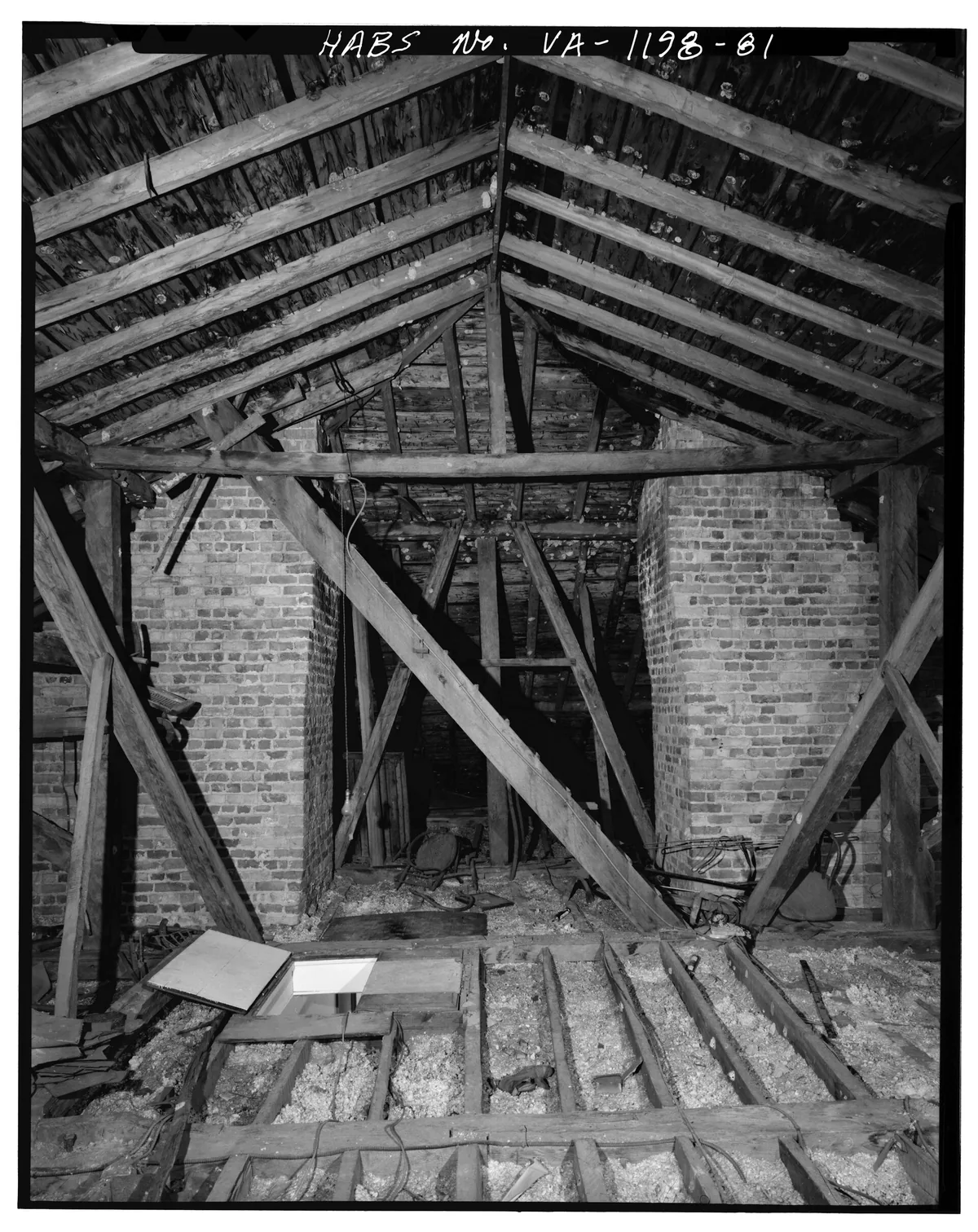
Where Heat Actually Escapes
Look up.
That’s what she told us. Not at the walls, not at the windows—at the ceiling. Specifically, at any access point between your living space and the attic.
We had an attic hatch in the upstairs hallway. A simple square panel, maybe 22 by 30 inches, that you push up and slide aside when you need to store Christmas decorations or check on the insulation situation. It sat in a wooden frame, painted the same flat white as the ceiling. We’d lived here four years and honestly never gave it a second thought. It was just part of the house.
Turns out that hatch was the problem.
Even when it sits flush in its frame, an unsealed attic hatch acts like a chimney in reverse. Warm air rises—everyone knows that—but when there’s a gap-riddled opening straight into a freezing attic, your heated air doesn’t just drift up lazily. It rushes up. Physics demands it. Cold air is denser, so it sinks and pushes the warm air out through any opening it can find. Your furnace heats the house, the warm air climbs straight to the ceiling, and an uninsulated attic hatch is like leaving a window open directly above your head.
And all winter long, that’s exactly what ours was doing.
But here’s the thing: you can’t always feel it. I stood directly under that hatch and held my hand up. No obvious draft. No icy breeze like you’d get from a cracked window in a windstorm. The air movement was diffuse, steady, spread across the whole perimeter of the frame. It wasn’t the kind of sharp leak a candle test picks up, because the flow was too gentle and too distributed.
Sarah had discovered her own attic hatch problem the previous winter, same situation. She’d spent weeks chasing phantom drafts before her HVAC guy offhandedly mentioned that attic access points are one of the worst culprits for heat loss, especially in homes built before the 2000s when energy codes got stricter. Older hatches were never designed to seal. They were just removable panels.
So how do you actually prove that’s where your heat is going? Standing there staring at a closed hatch doesn’t tell you much, and our hands weren’t sensitive enough to detect the air movement.