One Radiator Stayed Ice Cold While the Rest of the House Heated Perfectly

The Five-Minute Fix
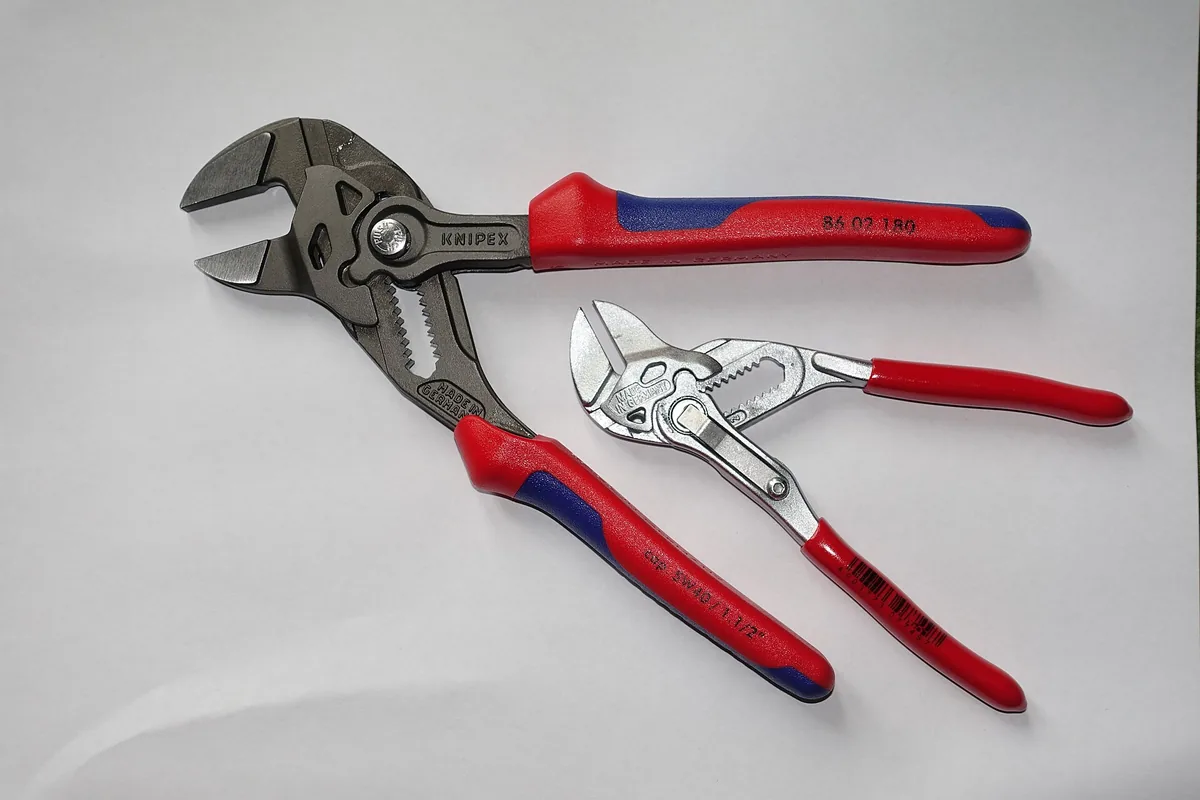
I grabbed a flathead screwdriver, a pair of pliers, and a can of penetrating oil from the garage.
First, I soaked the exposed pin—two good sprays right where it meets the valve body. Then I waited three minutes. Not optional; the oil needs time to work its way down into the threads and corrosion.
Next came the gentle persuasion. I placed the screwdriver tip on the pin and tapped the handle lightly with the pliers—just enough to break it free. After four or five taps, I felt it move. A tiny bit at first, then more.
I used my thumb to press it down and release it, working it up and down maybe twenty times until it moved smoothly on its own. The spring inside started pushing it back up like it should.
I reinstalled the thermostatic head, turned the dial to 3, and within ten minutes the radiator was warm.
Total cost: one can of penetrating oil, around $7 at Home Depot.
If the pin won’t budge after soaking and tapping, or if you see water leaking from the valve body, stop. That’s when you call a plumber—the valve itself may need replacing, which involves draining the system.